The kitchen that looks wonderful at noon is not always the kitchen that works at six-thirty on a Tuesday. Bags arrive, someone asks for a snack and the recipe needs three different utensils. Small improvements to your setup can make familiar meals flow more easily, often without adding a single new appliance.
Make a dependable preparation area
Choose a stretch of bench for chopping, measuring and assembling meals. Move decorative items and rarely used appliances out of that space when practical. Keep the area clear and appropriately cleaned before handling food, and use separate equipment or safe cleaning practices to reduce cross-contamination. A modest but reliable preparation zone can be more useful than a large bench covered with objects. Place knives securely and away from children.
Put tools close to where they are used
Pans near the cooktop, chopping boards near the preparation surface and dinner plates near the serving area can reduce extra steps. Do not store combustible items near hot appliances or block ventilation. Think about the household member who cooks most often and whether the current arrangement suits their height and reach. Heavy pots should be accessible without unsafe lifting from high cupboards.
Give the busiest ingredients a home
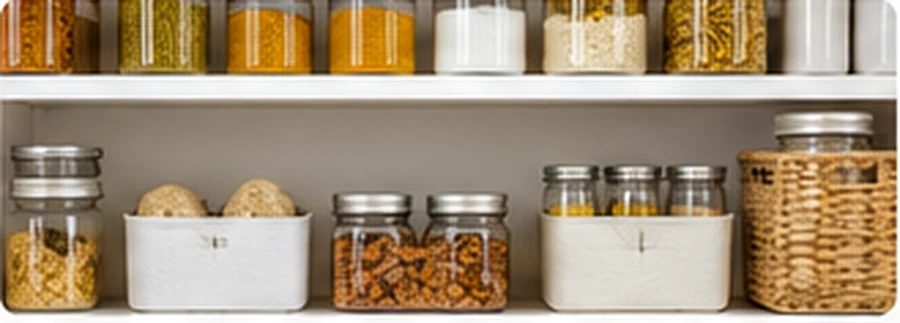
Salt, oil, common spices and basic cooking tools deserve predictable spots. Keep oils and seasonings stored according to their labels and away from excessive heat where needed. A small basket of everyday items is fine if it doesn't crowd the bench. Don't turn the kitchen into a commercial kitchen or buy specialist equipment unless your cooking actually calls for it. Familiarity is the useful part.
Plan for a quick clean-up
Have a clear place for dirty dishes, accessible rubbish and recycling bins and cleaning supplies stored safely out of children's reach. Use products as directed and never mix cleaning chemicals. A small cloth and appropriately maintained sponge or brush can make a quick wipe-down easy. If the dishwasher is the bottleneck, check whether the way you load and unload it is creating extra work before buying new storage products.
Test the layout with one normal meal
Choose a meal you make regularly and note the awkward moments. Do you cross the room every time you need a spoon? Is the chopping board stored underneath heavy items? Fix the most annoying point first. Once the flow feels smoother, you may find your kitchen needs less equipment than you thought. Good organisation should support dinner, not require dinner to be reorganised around it.