In a compact living room, every piece of furniture has two jobs: serving its purpose and leaving enough room for everyone to move. Before rearranging, write down what the space is used for, whether that is conversation, television, play, work or meals. A layout that supports those needs will beat one that only looks open in a photo.
Draw the room before moving anything
Measure the walls and mark windows, doors, power points, built-ins and any area where a door swings open. Sketch it on paper; it does not need to be to scale as long as you record accurate measurements. Measure your main pieces as well, including how far a recliner extends or how much room a drawer needs to open. This quick exercise can rule out arrangements that would be frustrating or unsafe to live with.
Keep a natural route through the space
Imagine walking from the entrance to the kitchen, balcony or hallway. Do you need to weave between a coffee table and a chair? Try placing larger furniture first and leave a clear, comfortable route. There is no universally correct clearance for every household; people using prams, mobility aids or other equipment may need different dimensions. Test the path with everyone who shares the room before calling the layout finished.
Pick the main activity
If watching films is the main use, orient the sofa for a comfortable view without blocking the window. If conversation matters more, bring two seats into a relaxed arrangement. For a room that also hosts meals or work, look for a surface that can be easily cleared and accessed. Not every activity has to happen at the same time. A folding table or movable chair can be useful when you know where it will go between uses.
Choose furniture with visible floor around it
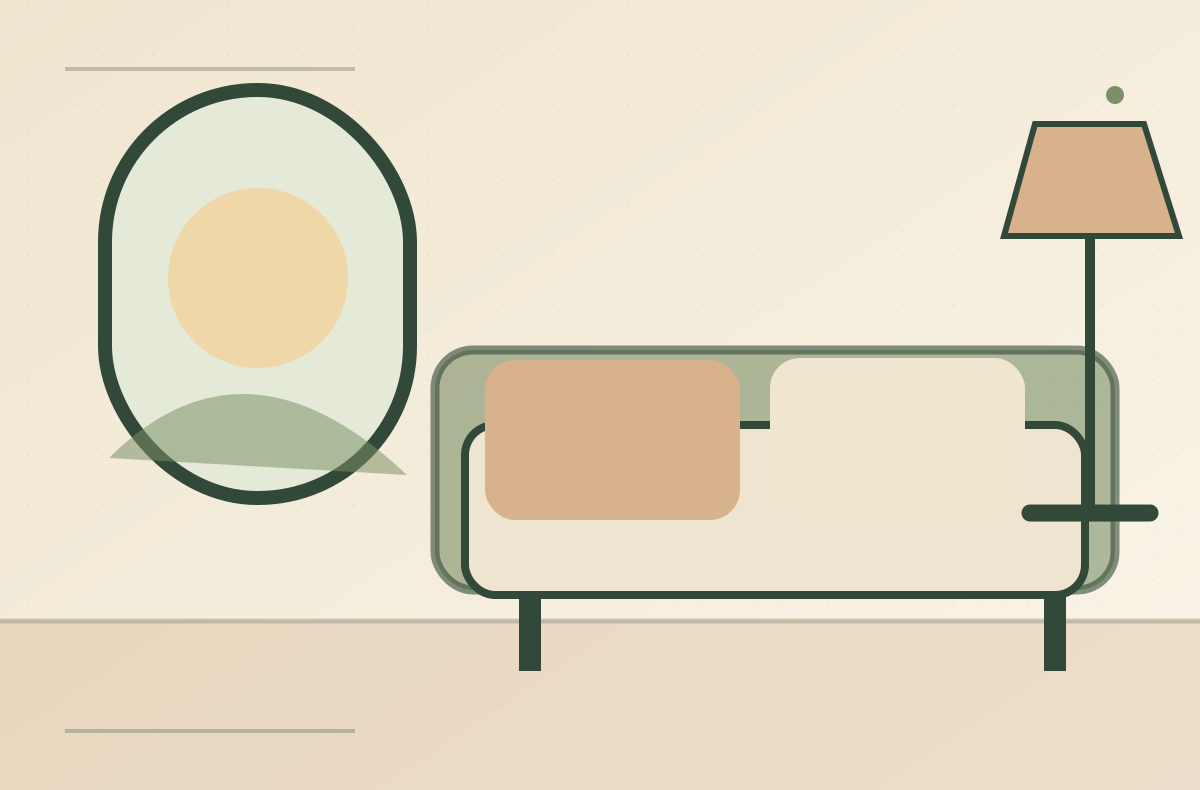
A sofa on slim legs or a compact side table may make the room feel less crowded, but appearance should not override comfort and stability. Avoid tall pieces that could tip, and secure furniture appropriately according to product instructions and any applicable tenancy rules. Leaving a little bare floor beside a piece often helps the whole room feel calmer. Resist buying extra organisers until the arrangement itself is working.
Live with the new layout for a week
Try normal routines before deciding the arrangement is a success: carrying groceries through, cleaning under furniture and having guests over. If something consistently gets in the way, adjust it. Tape a potential furniture footprint on the floor before buying the real item. A small room needs flexibility more than a rigid design rule, and good circulation is worth protecting.