The living room gathers the ordinary bits of home: a book on the arm of a sofa, a blanket left after a cool night, somewhere to put your cup. Making it more inviting rarely requires a dramatic makeover. A few thoughtful changes can bring comfort, improve how the room works and make your own favourite things feel intentional.
Look at where people naturally sit
Before you move anything, notice which seats get used and which ones become storage. Can someone set down a drink without reaching across the room? Is there an obvious place to talk or read? Try moving a side table closer, leaving a clear route to the door or turning one chair towards the sofa. A conversational arrangement often feels friendlier than furniture lined up against every wall. Photograph the room before and after; it is easier to judge proportions on a screen.
Change the light before changing the furniture
One bright overhead light can make a room feel flat in the evening. Try working with a table lamp or floor lamp you already have, positioned near where you read or sit. Consider the shade, bulb colour and whether the cord can be kept safely away from walkways. If you have good daylight, keep the window area uncluttered and adjust curtains for glare and privacy. Any electrical changes beyond plugging in a suitable lamp belong with a licensed professional.
Add one soft layer, then stop
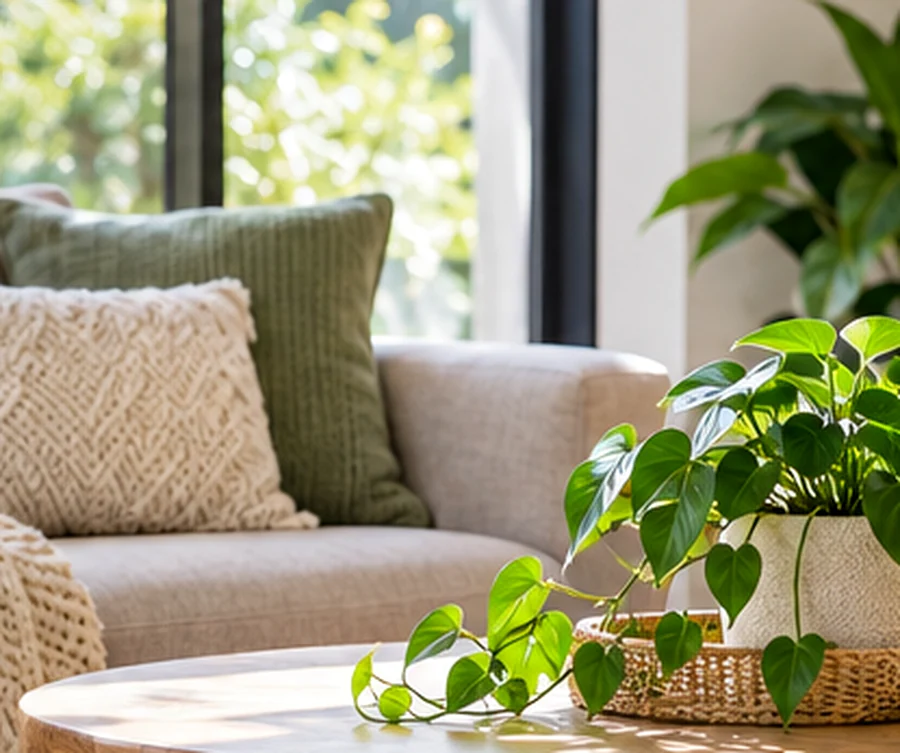
A throw, a cushion cover or a rug can introduce texture without turning the whole room into a shopping project. Begin with the colours already present in your sofa, timber or artwork and repeat just one or two of them. If you have children or pets, factor in washable fabrics and how easily things can be put away. There is no design rule that says every seat needs three cushions. Comfort matters more than a perfectly arranged photograph.
Give the room one clear surface
Clear the coffee table completely, wipe it and return only what earns its place. That might be a tray for remote controls, a book you are actually reading and a small vase. Make somewhere else for receipts, chargers and unopened post. A largely clear surface often changes the feeling of a room more than an expensive accessory. The trick is to create a nearby home for the things you are relocating, otherwise clutter simply moves around.
Let the room look lived in
Family photographs, handmade ceramics and an old chair with a story can sit comfortably beside newer pieces. Not everything has to be coordinated. Choose a few objects that genuinely mean something to you and give them room to be seen. If you want to buy something, spend a week with the revised arrangement first. You may discover the missing piece was better lighting, not another piece of furniture.