A balcony can become a forgotten place for drying racks and unused pots, or it can give you somewhere pleasant to sit for a few minutes. The difference often comes down to a clear idea of what you want to do there. Small outdoor spaces need careful choices because weather, drainage, weight and building rules matter as much as appearance.
Pick one main use
Would you like a quiet morning coffee spot, room for two people to talk or a place to grow a few herbs? Choose one priority before buying furniture. A bistro table may suit coffee, while a single comfortable chair could be better for reading. Measure the usable area with the door fully open and keep required access routes clear. Large furniture can make a tiny balcony harder to enjoy.
Understand the building constraints
Before placing heavy pots or furniture outdoors, check the balcony's load limits and any strata or building rules. Do not drill into waterproofing or attach screens or shade structures without appropriate approval. Keep drainage points clear and avoid anything that could fall or blow from the balcony. If you rent, also check your agreement and the relevant tenancy requirements. The most beautiful balcony is not worth compromising safety or waterproofing.
Give the space some privacy
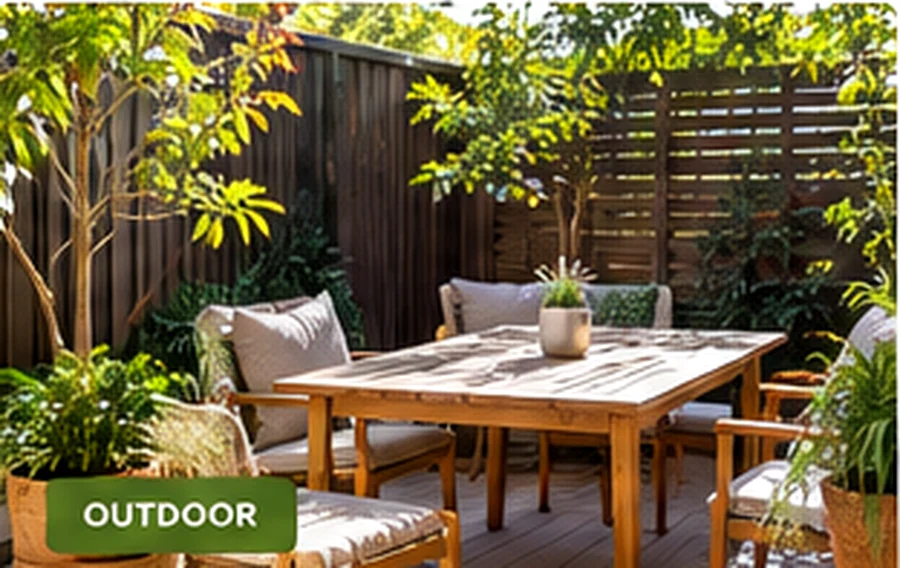
Movable plants or suitable existing screening may provide a softer boundary, but be mindful of wind loads, privacy and local restrictions. An outdoor rug can make the floor feel warmer, provided it is suitable for wet conditions and does not block drainage or create a slip hazard. Keep cushions or textiles somewhere dry between uses so the space remains easy to maintain.
Work with sun, wind and water
A west-facing balcony may get strong afternoon sun, while a shaded apartment balcony may suit only certain plants. Observe conditions before choosing greenery. Use containers with appropriate drainage and saucers where suitable, without allowing water to pool in unsafe places. In high winds, secure lightweight items or bring them inside. Shade structures require particular care and professional approval where relevant.
Keep the setup pleasantly modest
One comfortable chair and a healthy plant often feel better than a crowded collection of accessories. Test the arrangement by sitting there on an ordinary day. Can you put down a cup? Can you move safely? Does the space feel comfortable at the time you plan to use it? If the answers are yes, you have built a useful outdoor room.