Clutter often gathers where a task is unfinished. A parcel needs opening, a permission slip needs signing, a charger needs returning. Instead of asking everyone to remember the perfect location, give a few common objects a predictable short-term home. A good drop zone is small, visible and emptied often.
Find the natural landing point
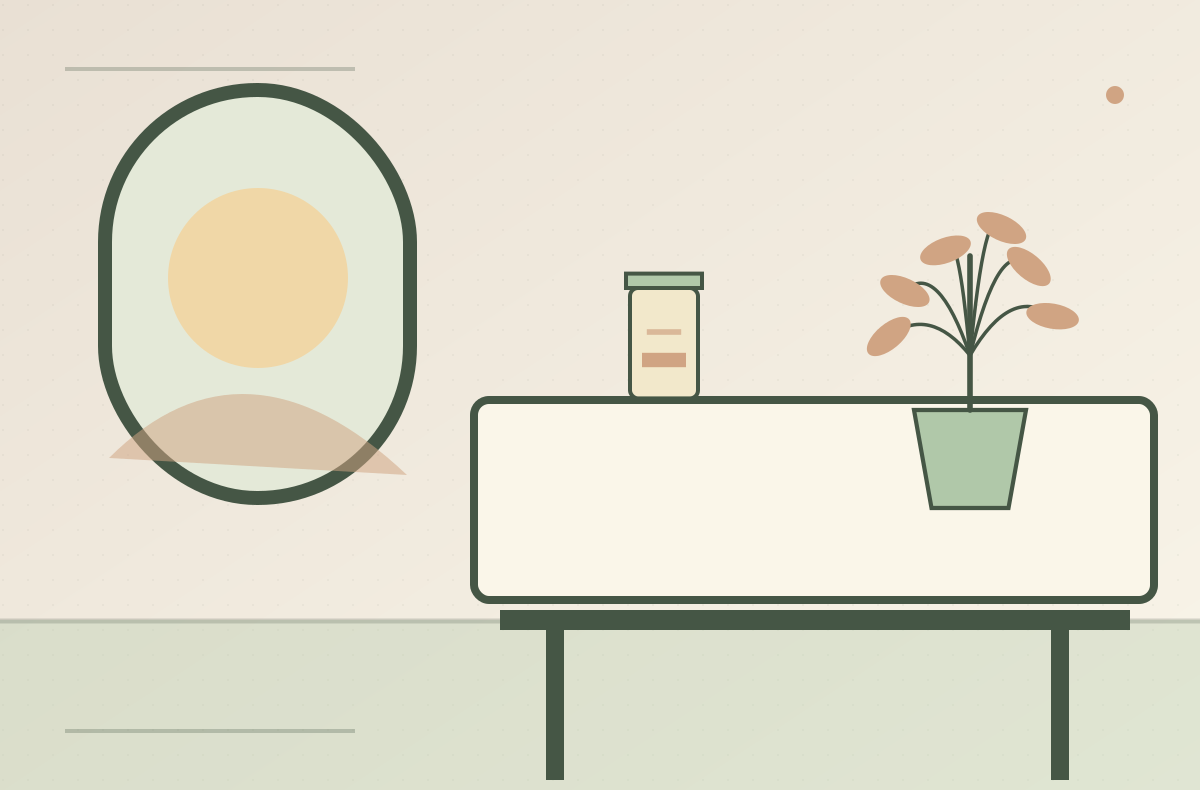
Look at the places where objects already accumulate: a corner of the bench, a console by the entrance or a shelf near the dining table. You may not need to fight that tendency. A tray or shallow container placed where people naturally stop can make the habit more intentional. It should not block food preparation, safe access or the way through a room. Keep valuable items and keys secure.
Give the zone a narrow purpose
Choose only a few categories: perhaps incoming paperwork, items to return and small everyday accessories. Separate important documents from loose receipts, and avoid placing medication, sharp items or cleaning chemicals where children could reach them. If everything in the house is allowed into the zone, it quickly becomes another overflowing cupboard. A defined purpose makes it easier to recognise what does not belong.
Set a short review rhythm
Pick a convenient time once or twice a week to empty the tray. File or action paperwork, return borrowed objects and move things to their permanent spots. If the same items arrive every day, give them a dedicated permanent home nearby. The zone is supposed to hold items in transition, not be their final destination. Keep the review short enough that it does not feel like a new household chore.
Make it work for everyone
A child may need a low basket for school papers, while someone who works shifts may prefer a tray near their bedroom. Ask household members what they actually bring home. Labels can help, but too many labels become visual clutter themselves. A simple rule such as 'papers here, shoes there, everything else away' is often easier to follow than a highly structured storage system.
Let the setup evolve
Your needs change with the school year, working arrangements and seasons. If parcels now pile up somewhere else, move the drop zone rather than blaming the household for not using it. The best system follows the way people live. Its success is measured in fewer lost keys and easier mornings—not whether every surface is empty all the time.